
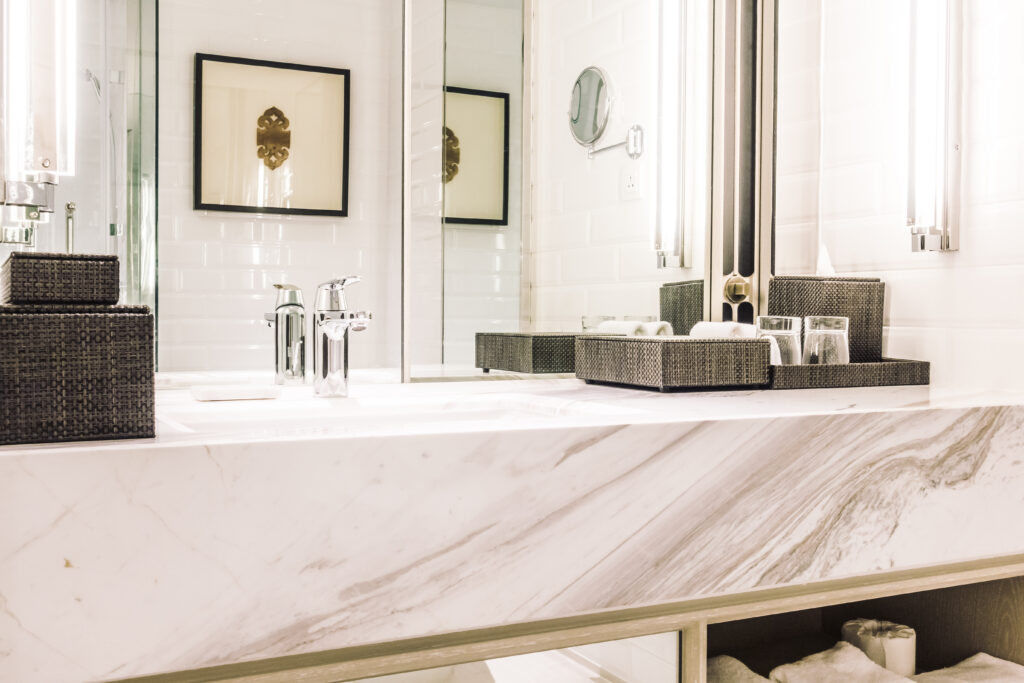
Picking the right countertop depth can make or break how your bathroom looks and functions. Most homeowners don’t think much about this measurement until they’re mid-renovation and realize it affects everything from storage to how easily they move around the space. A reputable cabinetry team can help you figure out what depth works best for your layout and daily habits. This post covers standard measurements, factors that influence your options, and the pros and cons of going deeper or shallower. By the end, you’ll have a clearer idea of what fits your bathroom.
Importance of Bathroom Countertop Depth
Getting the countertop depth right matters more than most people realize. It affects how comfortable the sink area feels, how much room you have for toiletries, and how much walking space is left in the bathroom. A deeper countertop gives you more surface area and storage, but it can eat into floor space in a smaller room. A shallower one looks clean and modern, but might leave you short on room for your daily essentials. Knowing your bathroom’s dimensions and how you actually use the space helps you land on the right depth.
Standard Depth Guidelines
Industry standards and basic ergonomics suggest general guidelines for countertop depth. Here are a few things to keep in mind:
- User Comfort: A depth that lets you easily reach everyday items makes the bathroom more practical to use.
- Functionality: Deeper countertops give you more room for products and supplies, while shallower ones work better if you prefer a minimalist setup.
- Accessibility: Ensuring the countertop is the right height and depth helps everyone in the household use it comfortably, regardless of physical ability.
Factors Influencing Depth
Your bathroom’s layout and size play the biggest role in deciding countertop depth. The vanity dimensions, sink placement, and overall design style all factor in. In a small bathroom, a shallower countertop helps the room feel more open. In a larger space, going deeper gives you extra surface area for storage and styling. How close the countertop sits to other fixtures like the toilet or shower also matters you need enough clearance for comfortable daily use. Looking at all these details together helps you pick a depth that balances function and design.
Popular Depth Options
A few depth ranges tend to be the most common among homeowners:
- Standard Depth: Most bathroom countertops are 21 to 24 inches deep. This range gives you enough space for everyday items without making the area feel cramped.
- Compact Depth: In smaller bathrooms or powder rooms, 18 inches is a popular choice. It saves space while still being practical.
- Custom Depth: Some homeowners go with a custom measurement based on their specific needs. This approach lets you tailor the design and function to exactly what you want.
Pros and Cons of Different Depths
Understanding the tradeoffs between depths helps you make a smarter choice. A shallower countertop around 21 inches creates a more open feel in tight bathrooms and makes it easier to move around. The downside is less storage and workspace. A deeper countertop around 24 inches gives you more room for toiletries, small appliances, and decor. The tradeoff is that it can make a smaller bathroom feel tighter. Think about how you use your space daily and what you need within arm’s reach to decide which depth fits your lifestyle.
Choosing the Right Depth
Finding the right countertop depth comes down to balancing space, comfort, and style. Here are a few things to think about:
- Storage Needs: A deeper countertop provides more space for towels, toiletries, and other bathroom essentials, keeping everything organized and off the floor.
- User Height: The depth should feel natural to use without awkward reaching or bending, especially if multiple people share the bathroom.
- Style and Design: Different depths change the overall vibe of the room. Consider how your choice fits with the look you’re going for, whether that’s modern, traditional, or somewhere in between.
Related Topics: