
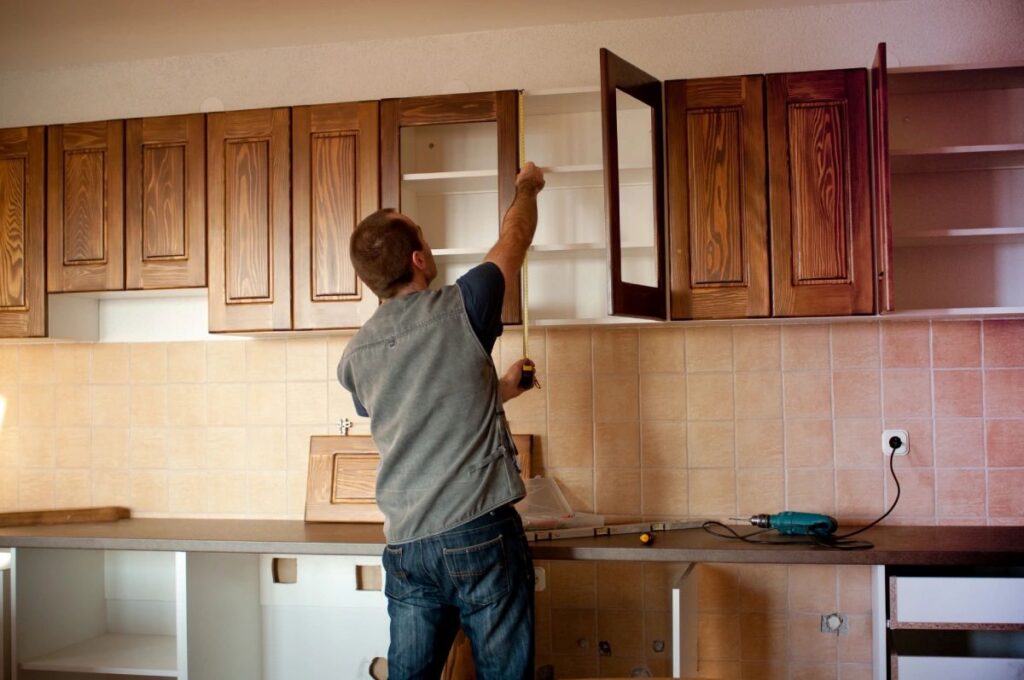
Getting accurate measurements for your kitchen cabinets can save you a lot of headaches down the road. A few inches off here or there can throw off your entire layout and cost you time and money. This guide breaks down the measuring process into simple steps that anyone can follow. From gathering your tools to double-checking your numbers, we’ll cover everything you need to know. If you’re planning expert cabinetry in Palm Beach County, FL, these measurements will be the foundation for a smooth installation.
Gather Necessary Measuring Tools
Before you start measuring, grab a tape measure, pencil, and notepad. Make sure your tape measure is in good shape no bends or kinks that could throw off your numbers. Keep a sharp pencil handy to mark measurements directly on the cabinets or jot them down. Your notepad helps you keep track of everything so you don’t mix up numbers later. Having all your tools within arm’s reach makes the whole process faster and easier.
Measure Cabinet Width
Start by measuring the width of your cabinets with a tape measure. Place the end at the left edge of the cabinet frame and stretch it to the right edge. Keep the tape level for an accurate reading. Write down the width in inches or centimeters whatever works for you. If your cabinet has doors, include them in the measurement. For cabinets with multiple sections, measure each one separately. Take measurements a couple of times to make sure they match up. Don’t forget to factor in any trim or decorative pieces that add to the overall width.
Determine Cabinet Height
Measure the height of each cabinet from the bottom to the top. Place your tape measure at the base where the cabinet meets the floor. Run it straight up along the side until you hit the top edge. Write down that number in inches, and make sure the tape isn’t angled or crooked. If your cabinets have crown molding, include that in your measurement for the full height. Do this for every cabinet and note any differences between them this matters when you’re planning your kitchen layout.
Calculate Cabinet Depth
To get the depth, position your tape measure at the back of the cabinet. Line it up with the outer edge and pull it toward the front. Keep the tape straight so you get an accurate number. Watch out for base moldings or trims that might affect the depth. If the cabinet has doors, measure from the outer edge of the door to the back. For framed cabinets, measure from the back of the frame to the front. Write everything down carefully and check it twice.
Account for Obstacles and Trim
Take a close look at anything that sticks out and could affect your measurements. Base moldings, decorative trims, and wall irregularities all matter. Here’s what to keep in mind:
- Measure the depth from the wall to the farthest point of any obstacle.
- Factor in the width of trim or molding that extends past the cabinet.
- Use a flexible tape measure to get around detailed trim pieces.
- Check the height of base moldings that might limit clearance.
- Note any bumps or uneven spots on the wall that could affect placement.
Double-Check Measurements
Always measure twice. Once you’ve got your initial numbers, go back and do it again. Even small mistakes can cause big problems during installation. Try using a different tape measure to verify your dimensions. Pay extra attention to spots where cabinets meet walls, appliances, or other structures accuracy here is non-negotiable. Make sure your measurements line up with your design plan and account for any variations you noticed. Catching errors early saves you from expensive fixes later.
Related Topics: